
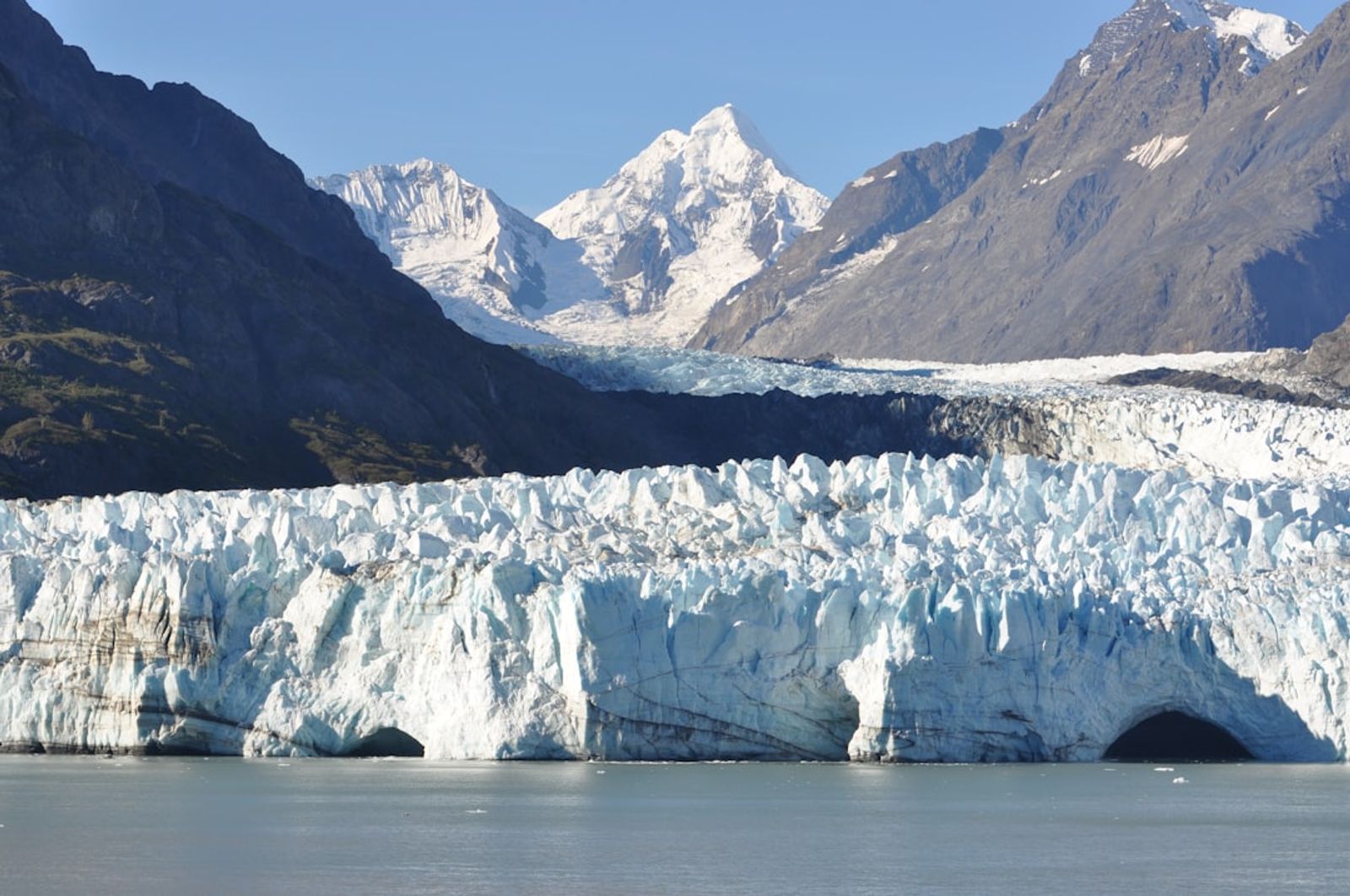
The recent scientific assessments of worst-case glacial lake outburst floods in the transboundary Himalayan basin serve as a stark wake-up call, not just for environmentalists, but for the global technology sector. As rising temperatures threaten to unleash millions of cubic meters of water across international borders, the traditional reliance on centralized, localized physical infrastructure is becoming highly untenable. In the near future, tech conglomerates will be forced to re-evaluate where they build data centers, how they route transboundary fiber-optic cables, and how they protect critical communication nodes in vulnerable high-altitude regions.
This climate emergency is poised to accelerate the development of next-generation predictive modeling. Traditional meteorological tools are no longer sufficient to forecast the complex, cascading failures of glacial moraines. We will see a massive influx of venture capital into planetary-scale AI engines that ingest real-time synthetic aperture radar telemetry, multispectral satellite imagery, and localized IoT seismic sensors. These AI platforms will run millions of simulated worst-case scenarios per second, providing local governments and tech operators with highly accurate, real-time early warning systems that can save lives and protect hardware.
Beyond predictive software, the physical architecture of the internet itself must evolve to survive these transboundary catastrophes. The threat of localized floods destroying critical physical gateways will accelerate the transition toward decentralized edge computing and non-terrestrial networks. Instead of relying on vulnerable valley-floor fiber networks, future communication in mountainous regions will pivot to low-Earth orbit satellite constellations and resilient, self-healing mesh networks. Tech giants will deploy micro-data centers that can operate autonomously even when severed from the main grid, ensuring continuous service during catastrophic regional events.
Furthermore, the transboundary nature of the Himalayan basin introduces a complex layer of geopolitical technology governance. Because a glacial flood originating in one nation can devastate downstream tech infrastructure in another, data sovereignty and cross-border data sharing protocols will become major points of international policy. We predict the rise of trustless, blockchain-based environmental data ledgers that will allow adversarial nations to securely share real-time hydrological telemetry without compromising national security, establishing a cooperative digital shield against shared climate disasters.
Ultimately, the worst-case Himalayan flood scenarios are not just localized environmental hazards, they are stress-tests for our globalized digital civilization. The tech industry must move away from a reactive posture and actively design systems that assume systemic climate failure. By investing in satellite-driven earth observation, decentralized infrastructure, and cooperative transboundary software platforms, tech pioneers can turn a looming ecological disaster into a catalyst for building an incredibly resilient, future-proof digital world.