Thoughts, tutorials, and insights on design, engineering, and everything in between.
A deep dive into why Google Chrome continues to bypass its own user-configured cookie and site data deletion policies for Google-owned domains. We examine the technical architecture, security justifications, and the privacy implications of these hardcoded exemptions.
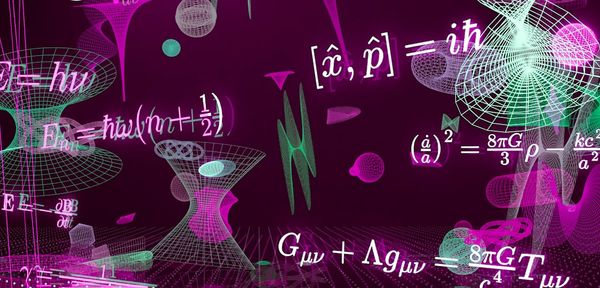
The mathematical community is embarking on a monumental journey to fully formalize Andrew Wiles's proof of Fermat's Last Theorem using the Lean 4 theorem prover. This deep dive explores how interactive theorem provers are reshaping the boundary between computer science and pure mathematics, translating complex modularity theorems into machine-verifiable code.
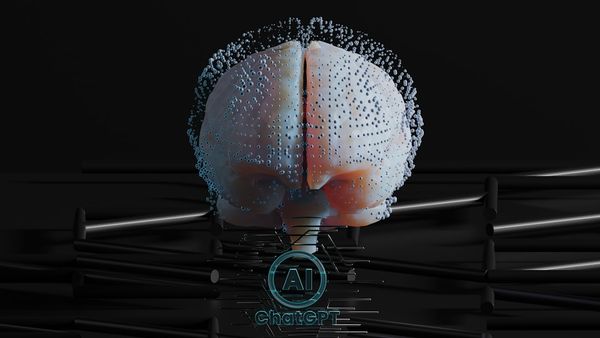
Artificial intelligence is evolving from simple code generators into proactive agents that select and execute their own tools. By analyzing over 17,000 real-world runs from models like Claude, Codex, and Cursor, we uncover the fascinating patterns behind their decision-making processes and what it means for the future of software engineering.
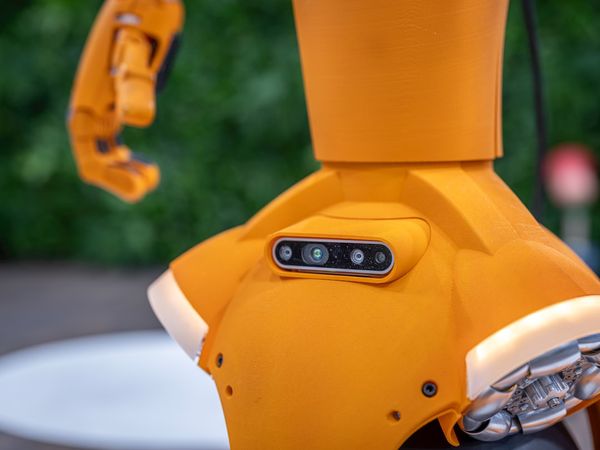
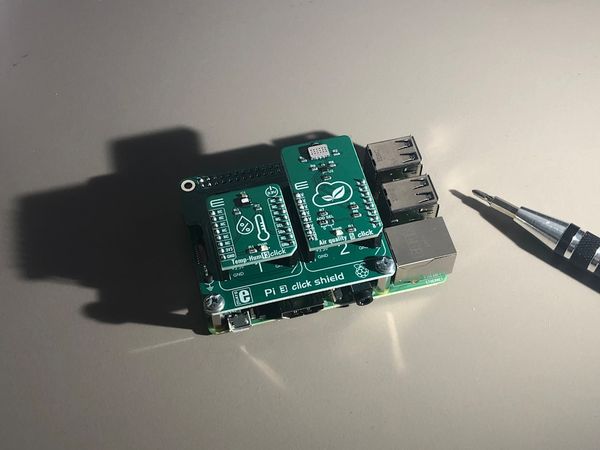
The battle for low-level domination is heating up as Rust challenges C's historic reign in the real-time operating system space. While Rust offers unparalleled memory safety, C's decades-long maturity and massive ecosystem still present a formidable barrier to entry. We take a critical look at whether it is truly time to migrate your embedded stack.
An in-depth technical analysis of Anthropic's latest specialized model releases, Claude Fable 5.1 and Claude Mythos 5.1. We explore how their split architectural paradigms redefine synthetic reasoning and narrative intelligence for enterprise developers.
As AI tools evolve from simple autocomplete extensions to autonomous agents, the Lion-Man hybrid paradigm has emerged, blending raw algorithmic power with human intuition. This critical analysis explores whether this symbiotic approach truly accelerates software delivery or merely introduces complex new layers of technical debt.