
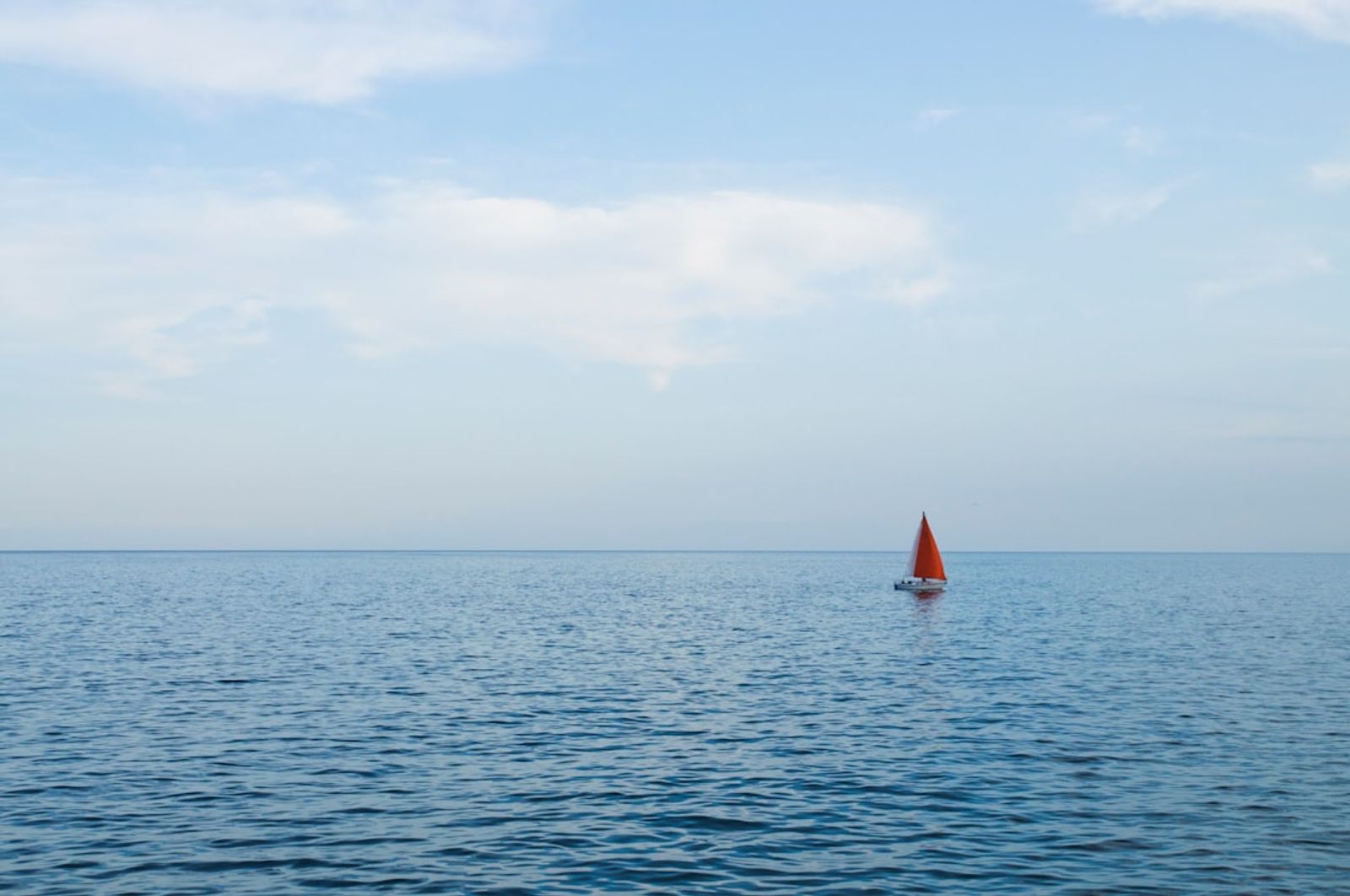
The allure of trading a cramped home office for a sailboat deck is undeniable in the modern tech landscape. Known colloquially as long-distance sailing in the digital nomad community, this lifestyle promises the ultimate freedom of coding while anchored in a pristine cove. However, behind the glossy social media photos of laptops resting on teak decks lies a gritty reality of hardware failures, power management, and erratic connectivity that can turn a dream job into a logistical nightmare.
On the positive side, extreme remote working from the water offers an unparalleled environment for deep, uninterrupted focus. Without the distractions of office politics or urban noise, developers often report achieving a state of flow that is impossible to replicate onshore. The self-reliance required to manage a boat naturally translates into disciplined project management, forcing engineers to become masters of asynchronous communication and meticulous planning.
Yet, the infrastructure challenges are formidable. Relying on satellite constellations has made remote maritime work feasible, but it is far from foolproof. High-latency connections, severe weather interruptions, and the constant threat of saltwater corrosion to sensitive electronics mean that a system administrator is always one wave away from a catastrophic outage. When a production server crashes and your connection drops simultaneously, the romance of the sea quickly vanishes.
Furthermore, the human element of software engineering suffers greatly over long distances. While asynchronous workflows are highly praised, they cannot fully replace the spontaneous collaboration of a co-located team. The psychological toll of isolation, combined with the physical exhaustion of keeping a vessel seaworthy, can lead to severe burnout. Time zone disparities often mean attending critical sprint planning sessions at three in the morning, eroding any semblance of work-life balance.
Ultimately, long-distance sailing while maintaining a high-level tech career is a high-risk, high-reward endeavor. It demands an extraordinary level of adaptability, technical redundancy, and mental fortitude. For those who can balance the strict demands of the tide with the relentless pace of software sprints, it offers a life of legendary autonomy; for most, however, a stable land-based remote setup remains the far more sensible choice.