
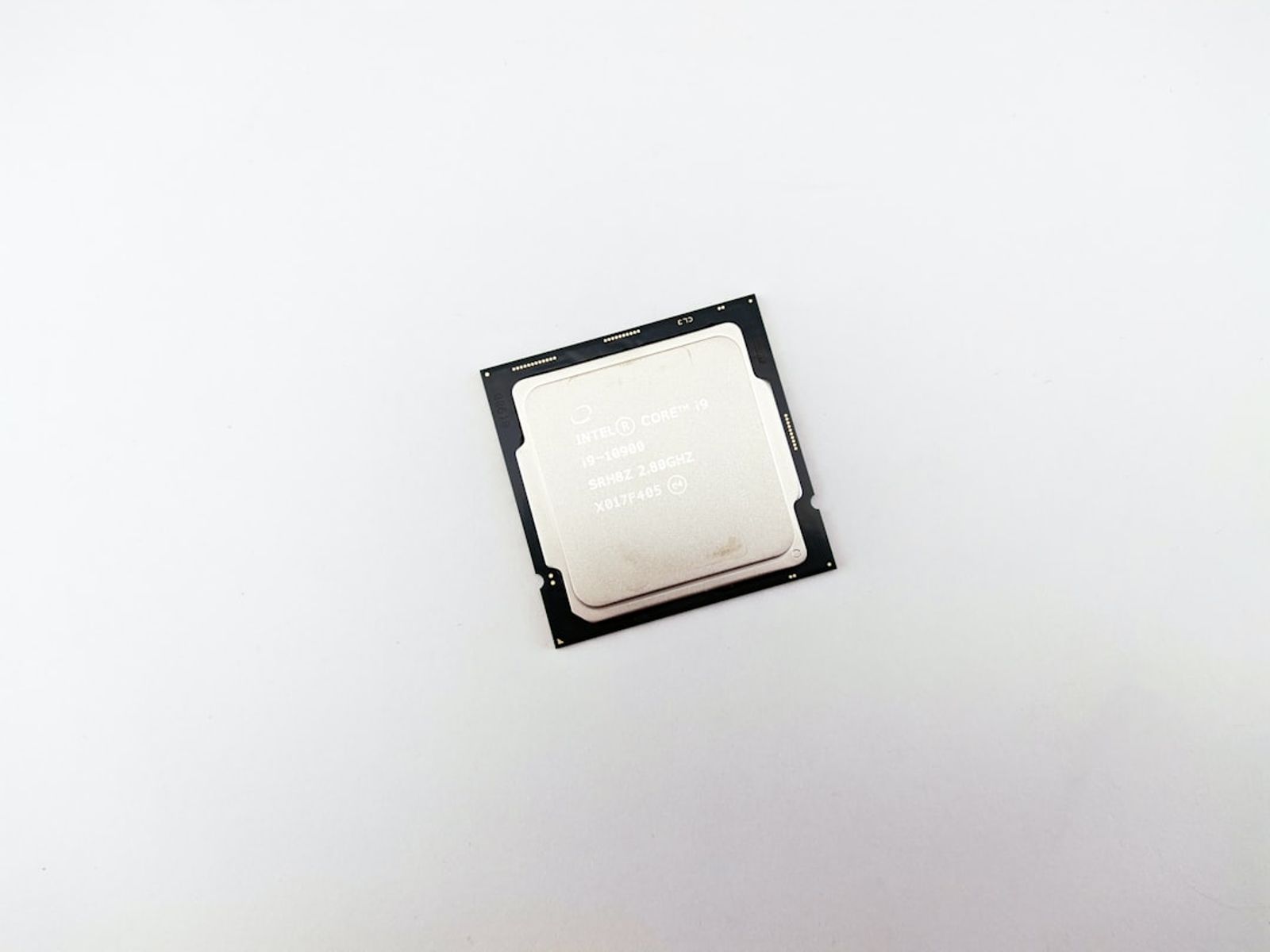
In 1996, Intel introduced the Pentium MMX, a marketing and engineering marvel that brought Single Instruction, Multiple Data (SIMD) execution to mainstream consumer desktops. Suddenly, developers could manipulate multiple data points simultaneously within a single clock cycle, paving the way for rich multimedia, fluid 3D graphics, and real-time audio processing. While modern developers might view these 64-bit vector registers as relics of a simpler era, the fundamental shifts in computational architecture established by MMX are currently serving as the bedrock for the next generation of computing.
As we look toward the next decade, the industry is witnessing an unprecedented explosion in artificial intelligence, real-time spatial rendering, and decentralized edge computing. These workloads demand massive data parallelism that traditional sequential CPU architectures simply cannot sustain. The futuristic chips of tomorrow, ranging from specialized Tensor Processing Units to neuromorphic processors, are effectively hyper-scaled descendants of the SIMD philosophy, proving that the layout of data is increasingly more critical than raw clock speeds.
This evolutionary path predicts a major shift in how future software engineers will write code. We are moving away from general-purpose high-level abstractions and returning to a world where spatial awareness of memory and data layout is paramount. Tomorrow's developers will not just write instructions for a single execution thread; they will design data pipelines that flow organically through thousands of microscopic vector units, a paradigm shift that mirrors the register-level optimizations of 90s assembly programmers.
Furthermore, the convergence of quantum computing and classical hardware will rely heavily on advanced vector processing concepts. Future quantum-classical hybrids will use highly evolved SIMD-like interfaces to pre-process classical data and post-process quantum state collapses. By looking back at how MMX bridged the gap between basic arithmetic and complex multimedia pipelines, we can anticipate the exact software interfaces needed to bridge classical algorithms with quantum accelerators.
Ultimately, the lessons of Pentium MMX teach us that hardware breakthroughs are only as powerful as the programming models that support them. As we stand on the precipice of a new computational era dominated by autonomous systems and immersive virtual realities, the principles of vectorization and parallel execution remain our guiding light. Embracing this architectural heritage will allow us to unlock the true potential of future silicon, proving that the spirit of 90s hardware optimization is very much alive and shaping our digital horizons.