
A simple mechanical shift from a linear track to a tri-directional merging system unlocks a completely new paradigm in structural engineering. This Y-zipper concept, resurrected from an old, overlooked patent, challenges our long-held assumptions about how physical components should be enclosed, accessed, and connected. For decades, the tech industry has relied on traditional, binary fastening methods, but this three-sided alternative promises to break those linear boundaries.
The most immediate disruption will likely occur in the burgeoning field of smart clothing and biometric wearables. Traditional fasteners restrict design to flat planes, but human bodies and active sensors operate in three dimensions. The Y-zipper allows for multi-point access, enabling designers to embed modular sensors that can be easily swapped out or redirected along different anatomical paths, paving the way for truly adaptive, second-skin interfaces.
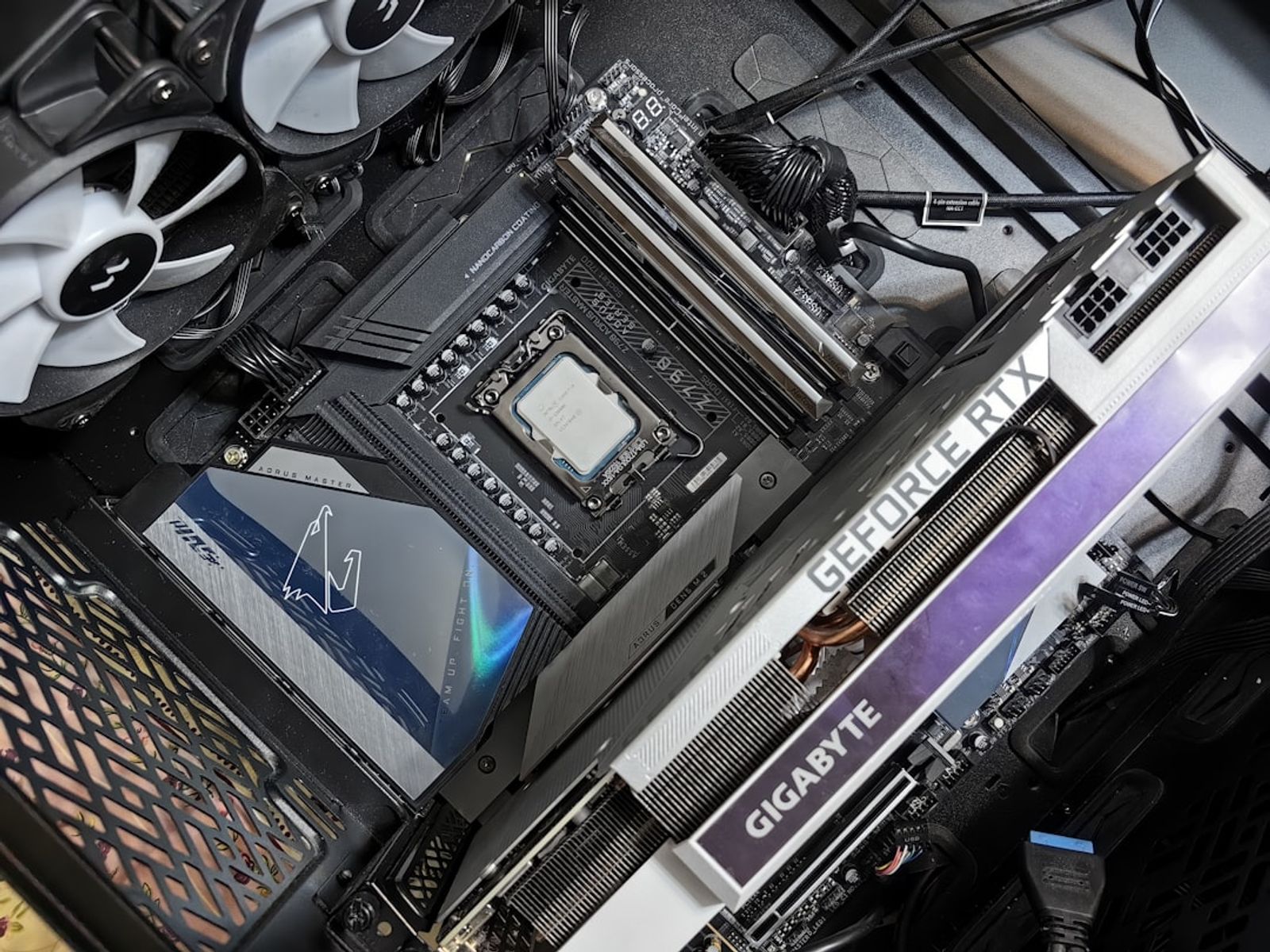
Beyond soft goods, this architecture could revolutionize physical device design and consumer electronics. Imagine next-generation server racks, modular smartphones, or even custom computer enclosures that use micro-scale Y-zippers to secure internal components. Instead of dealing with dozens of tiny, easily stripped screws, engineers could seal complex, three-way modular junctions with a single, elegant sliding mechanism, drastically reducing assembly time and electronic waste.
In fields like soft robotics and aerospace engineering, structural adaptability is paramount. Spacecraft insulation and robotic outer skins must expand, contract, and reconfigure under extreme stress. By employing a three-sided fastening system, future engineers can design dynamic, self-healing skins that allow robots to alter their shape or seal compartmentalized pneumatic systems on the fly.
As we march toward a future of highly integrated cyber-physical systems, our physical interfaces must become as flexible as our software. The revival of the Y-zipper is a powerful reminder that some of the best futuristic solutions are hidden in the archives of classical mechanics. By adopting this tri-directional approach, the next generation of product designers will dismantle the two-dimensional limits that have constrained hardware innovation for a century.