
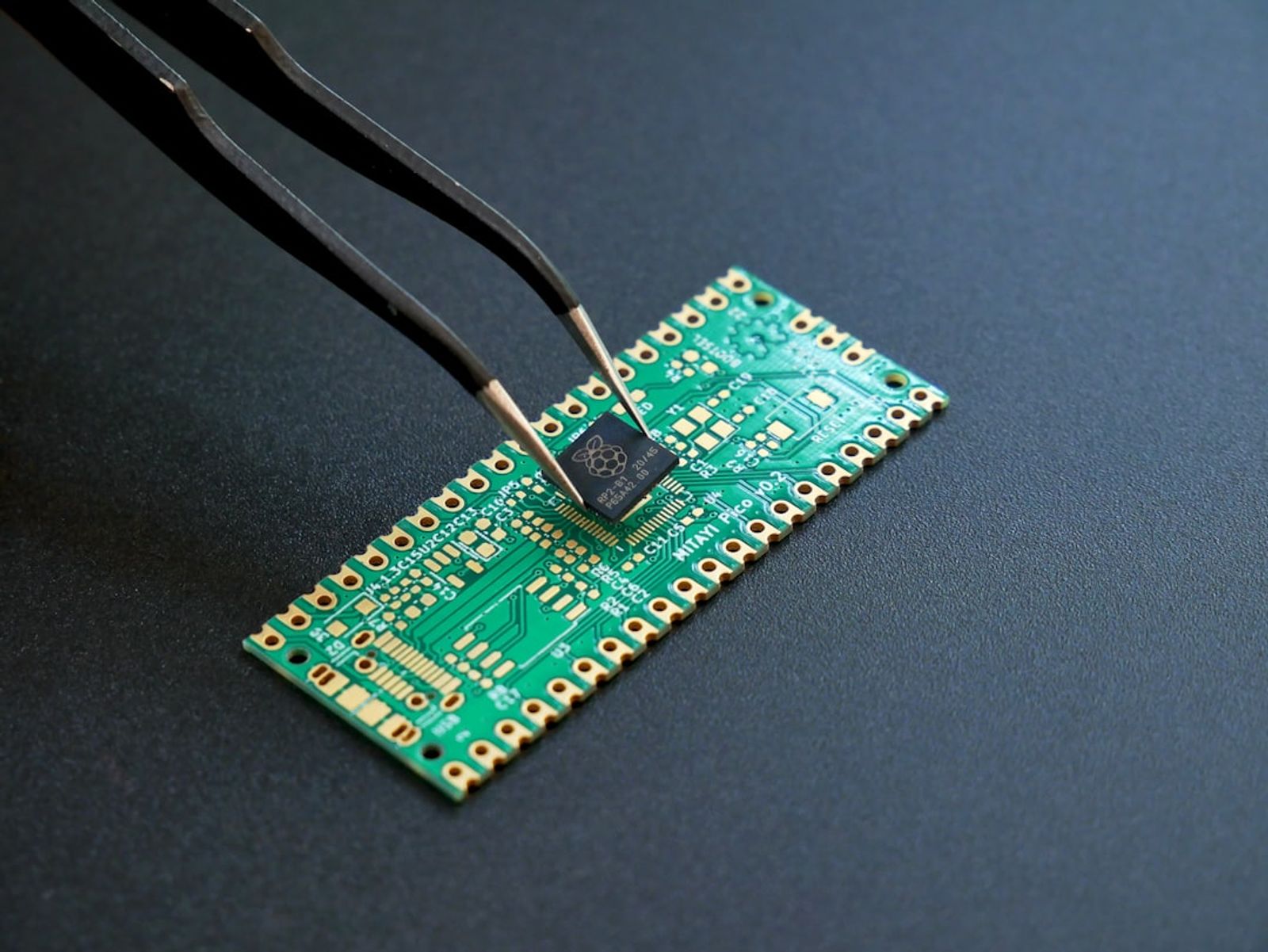
As software engineers, we are accustomed to living in a world of abstractions, where our creations exist purely as pixels and compiled logic. However, there is an unparalleled thrill in holding a physical object that runs your code. Bridging the gap between software and hardware by designing your own printed circuit board (PCB) is the ultimate way to expand your engineering toolkit and bring your digital creations into the physical realm.
The journey begins with schematic capture, which is essentially the software architecture phase of hardware design. Using modern, accessible design tools like KiCad or EasyEDA, you map out how your microcontrollers, resistors, and sensors connect. For a developer, this process feels surprisingly familiar; it is all about managing inputs, outputs, and ensuring correct data flow, similar to designing a system architecture.
Once the logical schematic is complete, you transition to the physical layout phase, which is where creativity truly shines. Here, you route the copper traces, position components to minimize noise, and define the board's shape. This stage is a fascinating puzzle of geometry and physics where you must balance constraints like signal integrity and thermal dissipation, much like optimizing database queries or memory allocation in code.
Sending your design off to a manufacturer and waiting for the physical boards to arrive is an exercise in anticipation. When they do, the assembly phase begins, introducing developers to the satisfying craft of soldering. Working with a soldering iron or a hot plate to reflow surface-mount components requires patience, but seeing those tiny components align perfectly onto solder pads is incredibly rewarding.
Powering up your first fully assembled PCB and watching the onboard LEDs flash for the first time is a milestone moment. It demystifies the physical machines we program daily and unlocks a world of endless DIY possibilities, from custom IoT devices to bespoke mechanical keyboard controllers. If you have been on the fence about diving into hardware, there has never been a better time to start designing your first board.